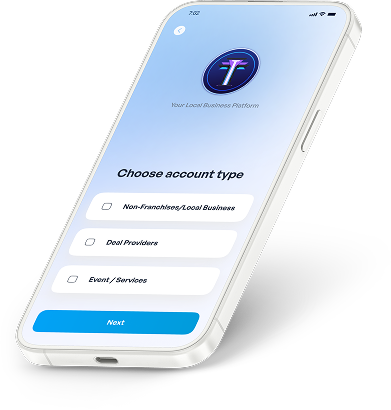
A comprehensive redesign transforming a complex operational platform into an intuitive, scalable product designed for public service providers and community organizations.
TotemCommerce is a multi-service operational platform serving thousands of public service providers and community organizations. The existing interface was becoming increasingly complex—accumulated features over time had created cognitive overload, inconsistent interactions, and scalability problems.
The experience had evolved without a unified UX system, leading to fragmented workflows, operational inefficiencies, and inconsistent user behavior across the platform.
Users struggled with navigation, struggled to find information, and workflows that should have been simple became frustrating. The platform needed a complete rethinking.
Lead end-to-end design for a platform serving diverse users with varying technical expertise—from tech-savvy developers to non-technical service coordinators. Create a scalable design system and establish clear interaction patterns that could scale with the platform's growth.
Focus: Operational efficiency, clarity, mobile-first design, and system scalability.
The platform had evolved over time without a unified UX foundation, resulting in fragmented workflows, operational friction, and inconsistent user experiences across critical tasks.
Dense interfaces and inconsistent layouts made operational tasks difficult to scan and navigate efficiently.
Critical actions required multiple disconnected steps, creating friction across daily provider operations.
The existing experience lacked responsive workflow optimization for users operating primarily on mobile devices.
Repeated UI patterns and inconsistent components reduced scalability and slowed future platform expansion.
The redesign focused on simplifying operational complexity, improving usability across workflows, and creating a scalable system that could evolve with the platform.
Analyzed existing workflows, platform friction points, and operational behavior patterns across multiple user groups.
Restructured navigation architecture and mapped critical operational journeys to reduce complexity and improve discoverability.
Created low-fidelity explorations to validate layout structures, content hierarchy, and interaction patterns before visual design.
Built a scalable design system with reusable components, standardized patterns, and responsive behavior across the platform.
Refined workflows and interface decisions through continuous feedback, usability observations, and collaborative reviews.
Delivered organized design specifications, interaction guidance, and reusable components to support efficient implementation.
The redesign focused on simplifying operational workflows, improving usability across devices, and creating a scalable design foundation for future platform growth.
Reorganized the information architecture to reduce navigation depth and make critical workflows easier to access across operational tasks.
Optimized key workflows for mobile usage to support providers managing services in fast-moving field environments.
Introduced reusable UI patterns and standardized interaction behavior to improve consistency and support future scalability.
Simplified repetitive workflows and reduced unnecessary interface friction to improve task completion speed and usability.
Measuring the success of the redesign initiative
Reduced multi-step operational flows into clearer, more streamlined task journeys.
Introduced reusable components and standardized interaction patterns across the platform.
Optimized operational workflows for mobile-first usage and faster field accessibility.
Established a flexible system foundation to support future product expansion and feature growth.
Cross-functional teamwork and stakeholder alignment
Worked closely with developers to align component behavior, responsive patterns, and implementation feasibility throughout the redesign process.
Collaborated with operational stakeholders to understand workflow pain points, platform limitations, and evolving business requirements.
Continuously refined layouts and workflows through collaborative reviews, usability observations, and implementation feedback.
Key insights from the redesign journey
This project reinforced the importance of designing for operational complexity while maintaining clarity and usability across diverse user workflows.
One of the biggest challenges was balancing flexibility with simplicity — ensuring the platform could support multiple operational needs without overwhelming users.
The redesign also highlighted the value of scalable systems thinking, especially when creating reusable patterns that could evolve alongside future platform growth.
Beyond interface improvements, the project strengthened my approach to workflow optimization, cross-functional collaboration, and designing under evolving product constraints.
Let's discuss how design thinking can transform your product. Reach out to start a conversation.
Back to Portfolio